A solid frame is critical for ensuring security during outside occasions. Recognizing how numerous products influence durability can assist event hosts choose the best outdoor tents to suit their demands.
For example, light weight aluminum has outstanding kind security and is less susceptible to corrosion than steel. This permits it to sustain thicker and longer-lasting materials, enhancing the general high quality of the tent.
Steel
The metal products used to build structure tents can substantially influence their resilience, specifically when subjected to extreme weather conditions. Camping tent life expectancy assumptions also depend upon appropriate usage and upkeep. As an example, if a canopy is revealed to extreme weather like hefty rainfall or solid winds, the tent may experience damages that endangers its structure or stability. Normal examinations can assist event hosts spot potential damage before a trouble occurs, allowing them to change the outdoor tents or carry out necessary repair work.
Understanding the distinctions in between post tents and frame outdoors tents is important for evaluating the most effective choices for an outdoor event. Longevity, stability and cost are all factors to consider when picking a sanctuary for usage. Picking the right framework ensures safety and security and comfort for guests, no matter the weather. Additionally, proper treatment and maintenance techniques can expand the lifespan of both types of tents, lowering long-term costs associated with damage.
Aluminum
Whether your event tent requires to stand up to heavy rainfall, snow, or solid winds, the frame material is a vital factor in durability. Aluminum frames supply remarkable toughness, which is why big event camping tents like those from LP OUTDOORS have aluminum-based post systems. These are enhanced with eave links and hot-dip galvanized steel inserts to ensure stability and durability. Furthermore, the 850g checked dual PVC-coated fabric is fire-resistant, water-proof, UV-protected, and self-cleaning to assist avoid damage and increase performance.
While steel structures may use a lower upfront cost, they are prone to deterioration and require regular maintenance. Light weight aluminum structure frameworks are lighter in weight, making them easier to deliver and establish, while also supplying better security in gusty problems. Appropriate upkeep techniques, including cleansing steel parts and frequently evaluating the structure for indications of wear, additionally helps expand the life-span of these frameworks. On top of that, readjusting the leg angle to match website requirements aids maintain the framework and stop damage from wind.
Vinyl
A camping tent's toughness relies on a variety of elements, consisting of structure product and material composition. Proper cleansing and maintenance methods boost efficiency, reusable and careful assessment of steel components assists avoid corrosion. Comprehending these differences can aid locations and planners choose a tent that supplies trusted security for various occasions.
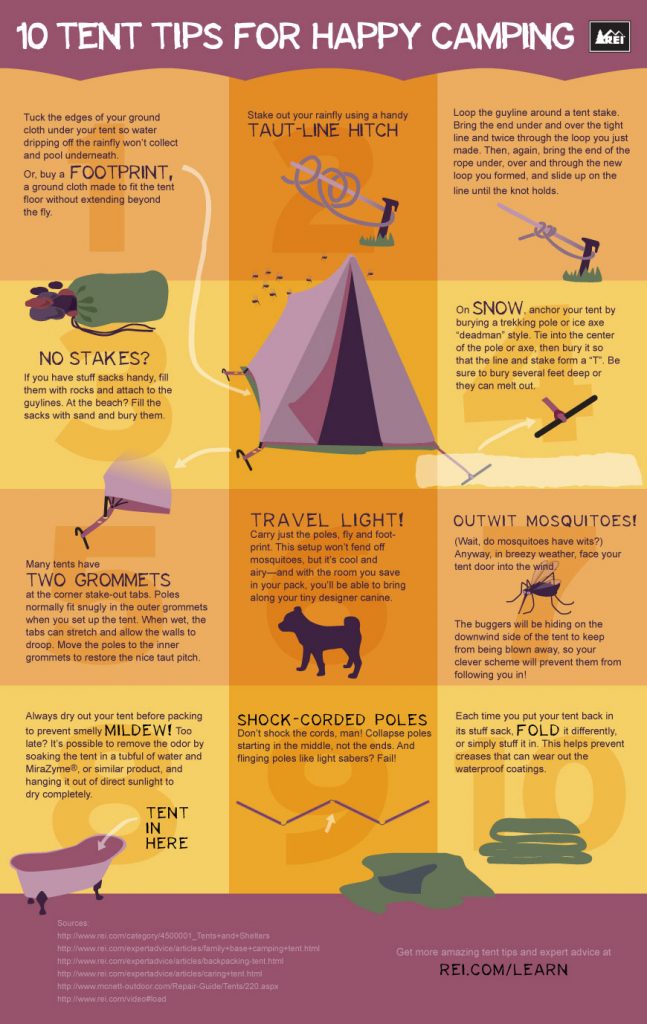
Covered plastic is a prominent selection for both pole and structure outdoors tents, as it withstands harsh weather condition elements. Nonetheless, this material requires unique care and upkeep to stop mildew and fungi formation. In addition, it is important to never ever fold or store a plastic cover when wet, as even a percentage of wetness can cause cold cracking and brittleness.
The artificial structure of vinyl also makes complex end-of-life disposal. All-natural fibers, on the other hand, support lasting sourcing and minimize dependence on petroleum-derived inputs. This material might have a greater upfront price, however it provides longevity and integrity that can balance out initial financial investment. Lifecycle openness supports waste reduction and reduces unexpected prices for both places and event hosts.
Textile Weight
Along with framework material, textile weight plays a role in tent longevity. Lighter materials are much more mobile and much easier to transfer, while larger materials offer better stability.
Depending on the application, the denier of the material will additionally have an effect. Greater denier scores provide better durability, and are much better fit for repeated usage or severe outdoor conditions.
When it comes to outdoor tents products, nylon is the favored choice for several applications. It is an extremely durable, light-weight, and breathable textile that provides a number of advantages over polyester, including a lower tendency to mold and mildew, far better warm and light resistance, and higher elasticity.
When it comes to picking the very best fabric for your outdoor tents, seek ISO-certified product to guarantee consistency and compliance with California fire laws. In addition, choose U.S.-made plastic to get one of the most out of your financial investment, as imported vinyl has a tendency to weaken after 2-3 years, while our plastic holds strong for 7+ years.